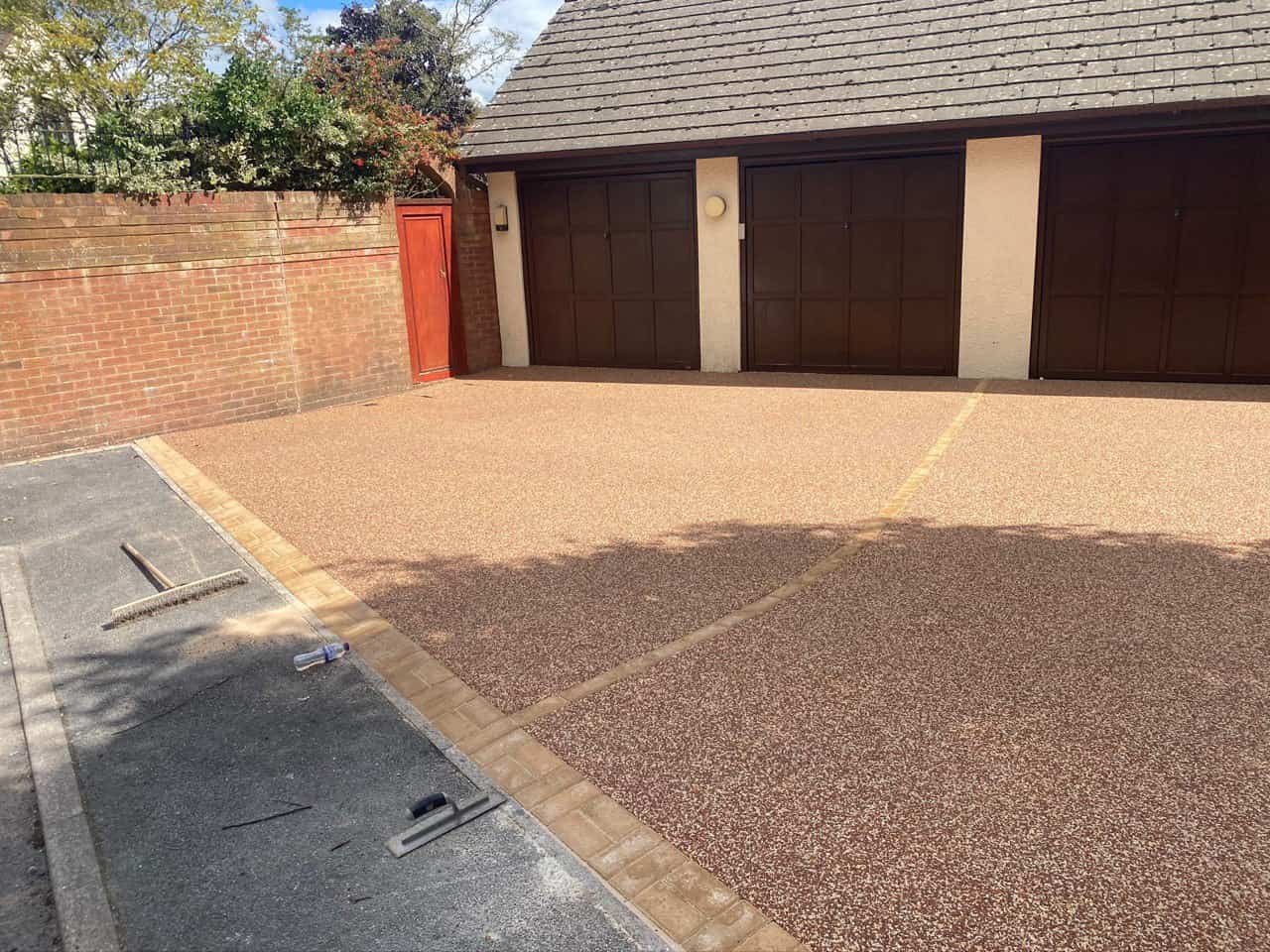
Resin-Bound vs Tarmac: Which Driveway Surface Is Right for Your Property?
Choosing the right driveway surface can make a noticeable difference to how a property looks and functions. Resin-bound and tarmac are both practical surfacing options, but they offer different finishes and characteristics. Understanding these differences can help homeowners choose a driveway that suits their property, usage requirements and preferred appearance.
For homeowners in Swaffham, Norfolk, the decision should consider more than appearance alone. Ground preparation, drainage, vehicle use, maintenance and the overall layout of the property can all influence which surface is most suitable.
Resin-Bound Driveways: What Should Homeowners Know?
Resin-bound surfacing is created by mixing aggregates with a resin binder before the material is carefully applied to a prepared surface. The result is a smooth, even finish where the individual stones remain firmly bound together.
One of the main attractions of resin-bound surfacing is its appearance. A range of aggregate colours and blends can be used to create a finish that complements the surrounding property.
A properly installed resin-bound driveway can also provide a practical walking and driving surface. Its relatively smooth texture makes it suitable for regular vehicle use while also creating a neat appearance around entrances and pathways.
Tarmac Driveways: A Practical Surfacing Option
Tarmac has been widely used for driveways because of its durable and straightforward nature. It creates a consistent dark surface that can work well with a wide range of property styles.
A well-constructed tarmac driveway is designed to cope with regular vehicle movements and everyday use. Its simple appearance can also provide a clean backdrop for features such as edging, planting and entrance gates.
Tarmac can be particularly suitable for homeowners who prioritise a practical, durable surface without requiring a decorative aggregate finish.
Resin-Bound vs Tarmac: Key Differences
The best option depends on what you want from your driveway. Resin-bound and tarmac differ in several important areas.
Appearance
Resin-bound surfacing generally offers greater choice in terms of aggregate colour and texture. This makes it useful where the appearance of the driveway is an important consideration.
Tarmac provides a more uniform finish, with its dark surface creating a simple and traditional appearance.
Durability and Everyday Use
Both surfaces can be suitable for residential driveways when they are installed over a properly prepared base. The condition of the foundation beneath the surface is particularly important because inadequate preparation can contribute to movement, cracking or other problems.
The expected level of vehicle use should therefore be considered before choosing the surface.
Drainage
Surface water management should be considered during any driveway project. Resin-bound surfacing is commonly selected where homeowners want a surface that allows water to pass through when designed and installed as a suitable permeable system.
Tarmac is generally an impermeable surface, meaning the driveway design needs to account for how rainwater will be directed and managed.
Maintenance
Both surfaces require sensible maintenance to remain in good condition. Regular sweeping and removing debris can help keep a driveway looking tidy.
Resin-bound surfaces may require attention to areas affected by weeds or accumulated organic matter, while tarmac should be monitored for cracks, edge deterioration and other signs of wear.
Why Ground Preparation Matters
Regardless of the surface selected, preparation is one of the most important parts of driveway installation.
The existing ground needs to be assessed before work begins. Weak areas, unsuitable materials and drainage issues may need to be addressed before the new surface is installed.
A suitable sub-base provides stability and helps the finished driveway cope with regular vehicle loading. Skipping or rushing preparation can reduce the performance of even high-quality surfacing materials.
Which Driveway Surface Is Right for Your Property?
There is no single surface that suits every property. Resin-bound surfacing may appeal to homeowners who want a decorative, smooth finish with a choice of aggregate blends. Tarmac may be more suitable for those looking for a straightforward, durable and consistent surface.
The property’s existing layout, ground conditions, drainage requirements, expected vehicle use and preferred appearance should all be considered together.
A professional driveway assessment can help identify the practical requirements of the site before a decision is made.
Professional Driveway Surfacing in Swaffham
Choosing between resin-bound and tarmac is easier when the specific conditions of the property are properly considered. A professionally prepared base and suitable installation method are essential to achieving a driveway that performs well over time.
Swaffham Driveways provides professional driveway surfacing services in Swaffham, Norfolk, with solutions selected according to the requirements of each property.
Conclusion
Resin-bound and tarmac can both provide effective driveway surfaces, but they offer different appearances, characteristics and practical benefits. Resin-bound surfacing provides greater decorative flexibility, while tarmac offers a straightforward and durable finish.
If you are considering a new resin-bound or tarmac driveway in Swaffham, Norfolk, contact Swaffham Driveways to discuss your requirements and arrange a professional assessment.
Call us on: 01760 308 698
Click here to find out more about Swaffham Driveways
Click here to complete our contact form and see how we can help with your driveway needs.